Winter guests arrive with damp coats, cold hands, and a quiet hope that the spare room will feel warmer than the drive over. A guest bedroom does not need to be large or freshly decorated to feel welcoming in January. It needs warmth you can sense in the first thirty seconds: bedding that holds heat, light that is soft rather than overhead-bright, and a handful of small things placed exactly where a tired person will reach for them. Work through this list before the doorbell rings.
Crisp cotton percale, lovely in July, feels chilly against bare legs in December. Switch to flannel or brushed cotton for the winter months, or add a fleece mattress topper underneath the fitted sheet. The topper is the single most effective change you can make, because it stops body heat from draining into the mattress.
Then build layers rather than relying on one thick duvet. A fitted sheet, a flannel or brushed-cotton flat sheet, a mid-weight duvet, and a wool or fleece blanket folded across the foot of the bed gives your guest control. Someone who sleeps hot can push the blanket aside; someone who sleeps cold can pull it up without getting out of bed to hunt through a cupboard.
Pillows matter too. Offer two per person if you have the space: one firmer, one softer. Guests rarely ask for a different pillow, they simply sleep badly and say nothing.
Do not leave folded linens stacked on the mattress with an apologetic note. A made bed signals that the room is ready and that you expected them. An hour before bedtime, tuck a hot water bottle under the covers at the foot of the bed — and remember to tell your guest it is there, or remove it before they climb in.
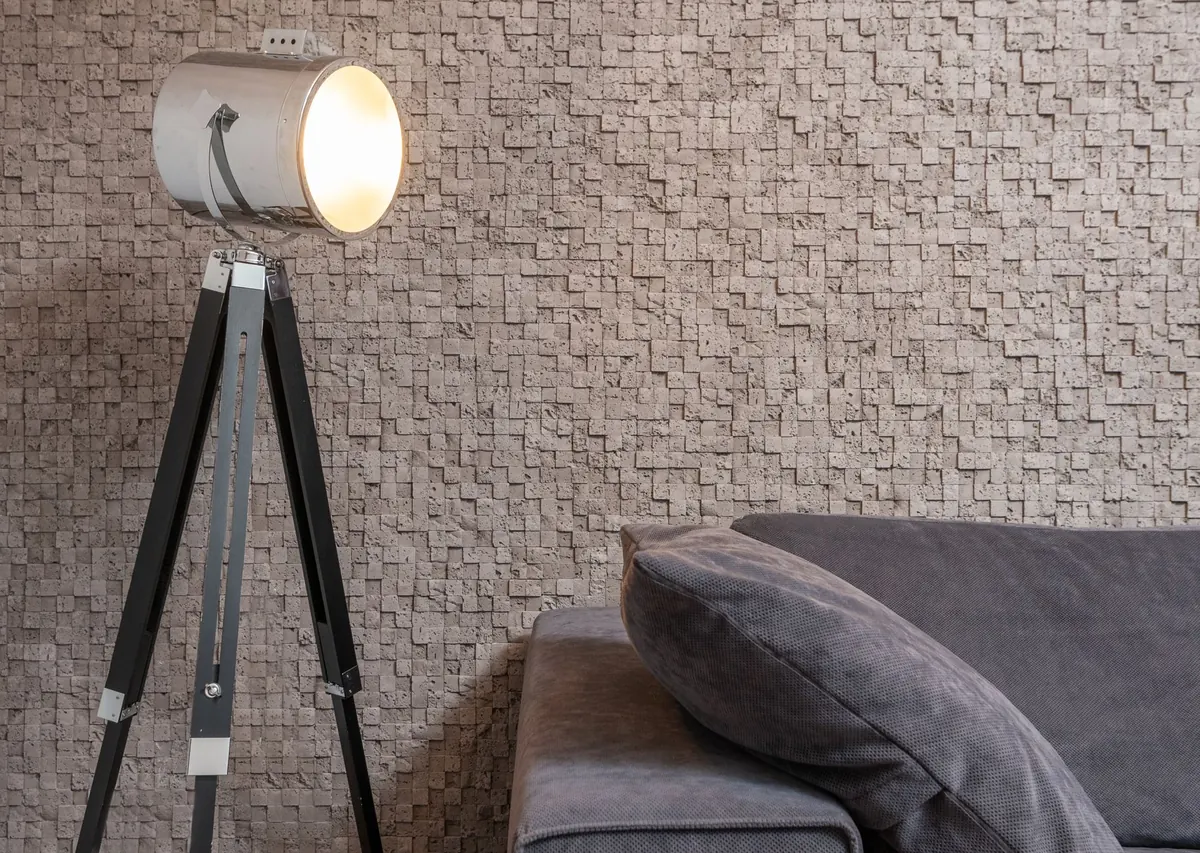
A single ceiling fixture with a cool white bulb makes any bedroom feel like an office. Swap in warm bulbs — look for 2700K on the packaging — and aim for two lamps: one on the bedside table, one on a chest of drawers or windowsill across the room. Together they give a soft, layered glow instead of a spotlight.
If your guest room has only one wall socket, put both lamps on a single switched plug or a plug-in timer so the room can be lit with one touch. A small plug-in nightlight in the hallway or on the route to the bathroom prevents the fumbling, phone-torch shuffle at 3 a.m.
Candles are a nice touch only if your guest is likely to use them. If you do leave one out, place it on a stable, heat-proof surface well away from curtains and bedding, and never leave it burning when the room is empty.
The coldest moment of a winter night is the second your feet touch bare floorboards. A wool or thick cotton rug beside the bed does more for the feeling of warmth than almost any other small purchase. If the room is large, a rug that reaches under the bed and out on both sides makes a bigger difference than a small mat.
Add a pair of soft slippers in a basket by the bed, in a size that will fit most adults. Guests almost never pack their own. If the bathroom is down a cold hallway, leave a second pair of slippers or thick socks there, and hang a heavier curtain or lined blind at the bedroom window to stop heat escaping overnight.
The bedside table is where hospitality gets practical. Clear off your own clutter and set it up as if for a hotel guest who will not want to bother you after lights out.
Earplugs are a thoughtful addition in an older house with creaking floors or early-rising pets. So is a spare blanket folded on a chair, visibly available rather than tucked in a wardrobe.
Guests live out of a bag when there is nowhere else to put anything, and that never feels restful. Empty two drawers, clear a metre of hanging space, and provide proper hangers rather than wire ones. A luggage rack, a stool, or even a sturdy chair saves them from bending to the floor every time they need a jumper.
Hooks behind the door are cheap and endlessly useful. Add a boot tray or a shallow basket near the bedroom door for wet shoes, and make sure there is a place by the front door for a damp coat to hang and dry overnight.
Heated winter rooms get stuffy by midnight. Open the window for ten minutes while you make the bed, then close it — the room will smell fresher without losing its warmth. If your house air is very dry, a small humidifier can help guests sleep, but keep it cleaned and refilled rather than dusty and running on empty.
Keep scent subtle. A lavender sachet in the drawer, or a few drops of essential oil on a cotton pad tucked into a dish, is enough. Heavy plug-ins can be overwhelming in a small room, and some people are sensitive to them.
Finally, temperature. Aim to match what you would want in your own bedroom, then give your guest the means to adjust: a radiator valve they can turn, a blanket within reach, and a spare fan if the room overheats. Ask what they sleep at. Most people will say "whatever you have," so ask twice if you have to.
A tray with a kettle, two mugs, a selection of teabags, and a couple of biscuits turns a spare room into a retreat. So does a single stem of eucalyptus or a sprig of rosemary in a small vase on the chest of drawers — winter greenery looks generous and costs almost nothing.
A handwritten note on the bedside table covers the practical questions in one go:
Wifi: [network] / [password]. Breakfast is whenever you surface — help yourself to anything in the kitchen. Extra blanket in the basket. Wake us if you need anything.
Do this the afternoon your guests are due, ideally with the door closed and the heating on as it will be that evening.
None of this takes long, and none of it requires a bigger room or a bigger budget. It requires only that you lie in the bed yourself and notice what a tired, cold visitor would notice. Do that, and your spare room stops being a spare room and starts being the warmest part of the house.
Photo: Curtis Adams / Pexels